
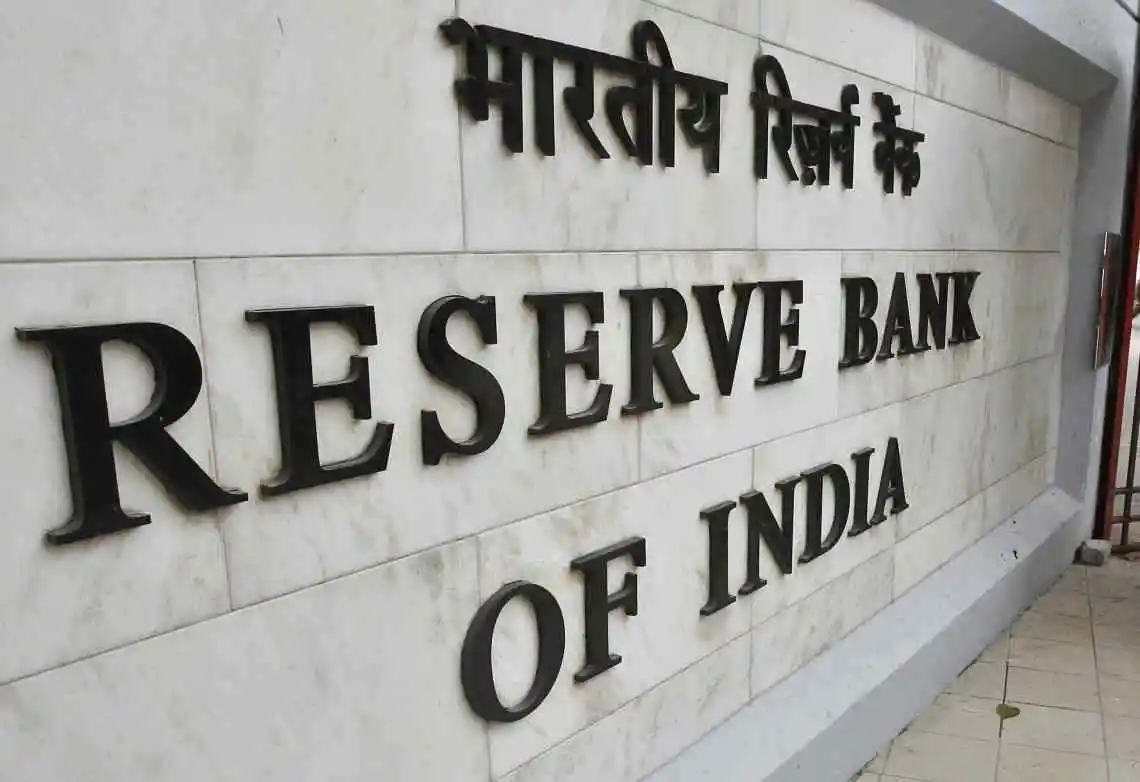
 RBI Repo Rate Decision: Will the Central Bank Hit Pause Again on October 1, 2025?”
India’s financial world is buzzing with anticipation as the Reserve Bank of India’s Monetary Policy Committee (MPC) convenes for its crucial three-day meeting, with all eyes fixed on whether the repo rate will hold steady or see a fresh cut this October. For students, homemakers, business owners, and everyday citizens, this decision will shape the cost of borrowing, EMIs, investments, and overall economic sentiment heading into the festive months.
Setting the Stage: Why This Meeting Matters
The RBI repo rate—the anchor for lending costs in the Indian economy—has already seen a 100 basis point reduction in 2025, dropping to 5.5 percent. August’s MPC meet kept rates unchanged, signaling caution amid global trade tensions and domestic reforms. This October, with macro indicators showing strong GDP growth, stable inflation, and positive market momentum, debate intensifies: will Governor Sanjay Malhotra and the RBI opt for continuity, or throw a curveball with another rate cut?
The Pulse of the Economy: Data Driving the Decision
Let’s humanize the data. India clocked a five-quarter high GDP growth of 7.8% in April-June FY26, fueled by GST reforms and robust rural demand. At the same time, consumer price inflation—especially after GST rationalization—is projected at a comfortable 2.6% for the year, well below the RBI’s tolerance band. The new GST structure (5% and 18% slabs) is expected to energize spending and investment. Even as core inflation ticks up due to surging gold prices, food and energy remain subdued. For millions—families saving for their children’s education, startups seeking loans, and homebuyers comparing EMIs—these signals mean hope for affordable growth.
Expert Voices: Hold or Cut?
What do the experts say? Most economists, including ICRA and IDFC FIRST Bank, bet on a “status quo” scenario: RBI will stand pat at 5.5%, allowing time to assess GST and trade headwinds. The RBI’s own bulletins strike a tone of optimism, noting sustained manufacturing and higher kharif sowing as tailwinds. High-frequency indicators from August reflect buoyant services activity, strong jobs momentum, and a pick-up in consumption. At the same time, SBI’s research team argues for a case-by-case approach—a gentle 25 basis point cut could stimulate spending, especially if inflation remains subdued through the festive season.
There’s healthy debate, too. Barclays and a handful of outliers caution that with growth so strong, RBI may choose prudence over activism, especially as global risks—like rising US tariffs—could yet rattle the rupee. But lurking in the background is the “wait-and-watch” mantra; a neutral stance gives RBI flexibility, freeing them to react quickly if global conditions turn south.
Lived Experience: How Will It Impact Us?
Let’s bring it closer to home. For families and individuals, a repo rate pause means…
Existing home loan EMIs and personal loan costs remain steady, protecting household budgets.
FD returns for seniors and savers hold firm, supporting retirement and financial planning.
Businesses and entrepreneurs can borrow at stable costs, fueling expansion and new job opportunities.
Stock markets—already buoyed by growth—may see modest optimism if the RBI confirms its “growth-friendly” approach.
By contrast, a surprise rate cut would energize consumer lending, trigger new investment cycles, and unleash pent-up demand across sectors. But it could also risk importing inflation if global commodity prices spike, a balancing act RBI must always weigh.
The Road Ahead: Will RBI Hold the Rate?
Based on broad economic signals and expert consensus, RBI is most likely to hold the repo rate at 5.5% during the October 1, 2025, MPC announcement. The central bank seems happy with the current growth trajectory, inflation dynamics, and positive impact of the GST overhaul. By maintaining a neutral stance, RBI promises stability—keeping lending affordable while retaining its power to respond to future shocks.
For everyday Indians, this is good news. The months ahead may bring more jobs, easier credit, and steady savings growth. And as the press conference unfolds live on RBI’s platforms, the nation will watch as policymakers balance prudence, optimism, and the dreams of millions.
As always in India’s vibrant democracy, the repo rate decision is not just a number—it is a reflection of hopes, choices, and the collective journey toward prosperity.