
 U.S. 100% Tariff on China Opens the Door for India — Can India’s 50% Tariff Become a Trade Advantage in 2025?”
In the high-stakes arena of global trade, headlines these days are all about “100% U.S. tariffs on China” and the ripple effects they could trigger. But what many overlook is how India, facing its own 50% tariff from the U.S., might find a silver lining in an otherwise stormy trade environment. In this blog, we’ll humanize the data, walk through the winners and losers, and explore whether India can really turn tariff troubles into a competitive edge.
1. The Tariff Shock: 100% on China, 50% on India
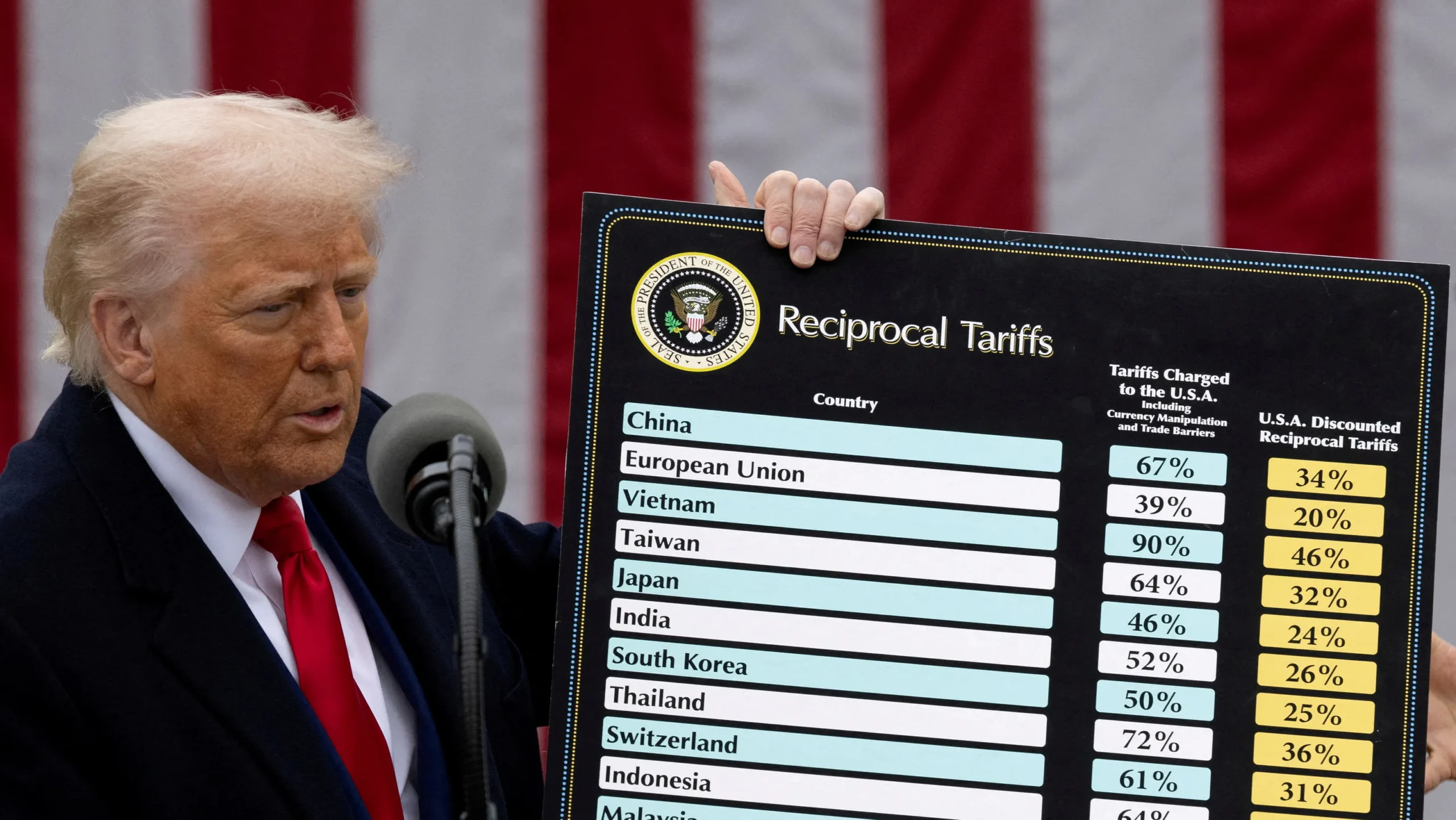
Earlier this month, the U.S. stunned the world by announcing it would impose 100% additional tariffs on a wide range of Chinese imports. Reuters+1 That doubles down on existing trade barriers and sends a clear signal: Washington is willing to escalate sharply.
Meanwhile, India is already under siege from steeper U.S. levies. The U.S. raised tariffs on Indian goods to 50%, partly in response to India’s ongoing purchase of Russian oil. Council on Foreign Relations+3The Guardian+3AP News+3
On paper, a 50% tariff is brutal. But when compared to 100%, the contrast is stark—and that gap could present a hidden opportunity.
2. Opportunity in the Gap: Why India Might Benefit
2.1. Price competitiveness vs. China
With Chinese goods facing an extra 100% tariff, their landed cost in the U.S. market will surge. If Indian exporters can maintain quality, their products may become relatively more attractive—assuming the 50% hit is manageable.
2.2. Diversion of supply chains
Many U.S. importers and retailers that depended on Chinese suppliers are now looking for alternatives. Vietnam, Bangladesh, and India are natural candidates. If Indian manufacturers can scale quickly, they might scoop up displaced demand.
2.3. Negotiating leverage
India can highlight this relative advantage in trade talks or negotiations with the U.S. — pointing out that while it’s under a 50% tariff, it could be seen as less “offensive” than China’s 100%. This might give India some bargaining space to negotiate tariff relief or carve-outs for certain industries.
3. The Hurdles India Must Overcome
It’s not all upside. Here’s what India faces:
Cost structure & scale limitations
Many Indian industries operate with higher input costs, logistical inefficiencies, and infrastructure constraints. The 50% tariff may still squeeze margins severely.Tariff exemptions & carve-outs
The U.S. might exempt or ease tariffs on certain sectors (e.g., pharmaceuticals, electronics) to maintain supply security. If China is restricted but India is too, that reduces the advantage. Council on Foreign RelationsPolitical risk & geopolitical optics
India is navigating tight diplomatic lines. Aligning too overtly with U.S. trade policy could sour its relationships with Russia, China, or other trading partners.Retaliation & secondary sanctions
India imported Russian oil; the U.S. sees that as indirectly supporting Moscow’s war effort and used it as justification for extra levies. AP News+1
4. A Human Story: A Small Exporter in Tirupur
Imagine a textile manufacturer in Tirupur, Tamil Nadu, producing cotton shirts destined for U.S. retailers. Before, China undercut them in price by leveraging economies of scale. But now, a Chinese shirt faces 100% extra duty, while their Indian counterpart faces 50%.
They have to scramble—buy fabric quicker, tighten supply chains, negotiate freight discounts—to survive. Yet if they can deliver on time, brands might shift orders. This is the moment when survival instincts meet opportunity.
5. Strategic Moves India Should Focus On
5.1. Target niche segments
High-value, quality-driven products (e.g. designer apparel, specialty garments, leather goods) can absorb tariffs better than commodity products.
5.2. Leverage “Made in India” branding
Promote India’s diversity, sustainable practices, or regional uniqueness as a value add to buyers and consumers.
5.3. Fast-track infrastructure & trade facilitation
Ports, logistics, customs — every delay eats margin. India must accelerate reforms to support export scaling.
5.4. Seek negotiated carve-outs
In U.S.–India talks, press for reduced tariffs or exemptions in critical sectors where India has comparative strength (e.g. gem & jewelry, textiles, auto components).
5.5. Diversify export markets
Don’t rely solely on the U.S. If some demand shifts to Europe, Africa, Latin America, India should be ready to pivot.
6. Trending Keywords & SEO Insights
To make this blog resonate with current web searches, here are trending keywords and phrases you should weave in:
“U.S. 100% tariff on China 2025”
“India 50% U.S. tariff impact”
“Will India benefit from U.S.–China tariff war”
“Global supply chain shift from China to India”
“Made in India exports opportunity 2025”
“U.S.–India trade tensions latest news”
These phrases are actively appearing in news headlines and search engine queries. By including them, your blog has a better shot at surfacing in Google Trends and search results.
7. Conclusion: A Risky Game, But One Worth Playing
The imposition of 100% tariffs on China is a bold escalation, but for India, already contending with 50%, it opens a comparative opening door. The risk is steep — financial, diplomatic, operational — but the reward is being recast as a safer, middle-path alternative for global buyers.
If India can move swiftly, modernize infrastructure, align strategy, and negotiate wisely, it might not just weather this tariff storm — it might ride the wave.